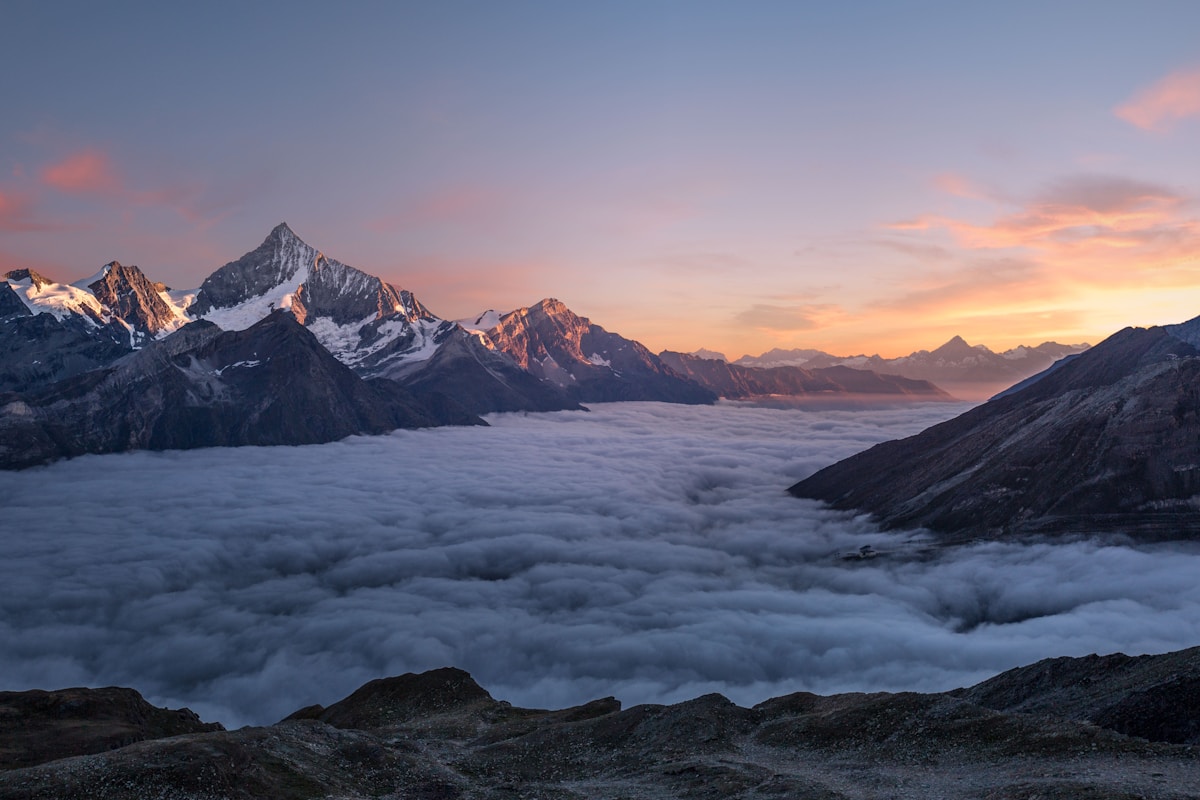
Kodak Tri-X 400 has been in continuous production since 1954, making it one of the longest-lived photographic films ever made. It is the film of Henri Cartier-Bresson, W. Eugene Smith, and countless photojournalists who needed a fast, versatile, forgiving film that could capture decisive moments in any light.
Try Kodak Tri-X 400 free
Apply this film stock to your own photos — no account needed.
Film Characteristics
Contrast
High — crisp, dramatic contrast with deep blacks and bright whites. Not subtle.
Grain
Visible, chunky grain with an organic structure. This is not a flaw — it is the Tri-X identity.
Tonal range
Good midtone separation but compressed highlights. Shadows can block up when pushed.
Push processing
Legendarily pushable — ISO 1600, 3200, even 6400 with strong developers. Each push adds contrast and grain.
Skin tones
Reproduces warm skin tones as bright midtones, with excellent separation from darker backgrounds.
Shadow rendering
Shadows can block up to pure black at box speed, especially in high-contrast scenes. This is a character, not a bug.
Best use cases
- ▸ Street photography
- ▸ Photojournalism and documentary
- ▸ Portraiture with dramatic intent
- ▸ Any subject where grain and contrast are desirable
- ▸ High-contrast architectural work
Shooting tips
Rate at ISO 400 for balanced results. Rate at ISO 200 and slightly overexpose for open shadows. Push to ISO 1600–3200 for gritty, high-grain documentary work. Works beautifully in harsh midday sun where other films struggle.